After missing out on the opportunity to supply fifth-generation high-bandwidth memory (HBM3E) chips in large quantities to Nvidia, Samsung is
making sure that it doesn't face the same issues with its sixth-generation high-bandwidth memory (HBM4) chips. It will reportedly start mass production of HBM4 chips in February 2026.
It was recently revealed that Samsung's HBM4 chips
passed Nvidia's quality testing with flying colors. A new
report from SEDaily now claims that Samsung will start the mass production of HBM4 chips at its Pyeongtaek campus in February 2026. Its primary rival SK Hynix will also start the mass production of its own HBM4 chips around the same time.
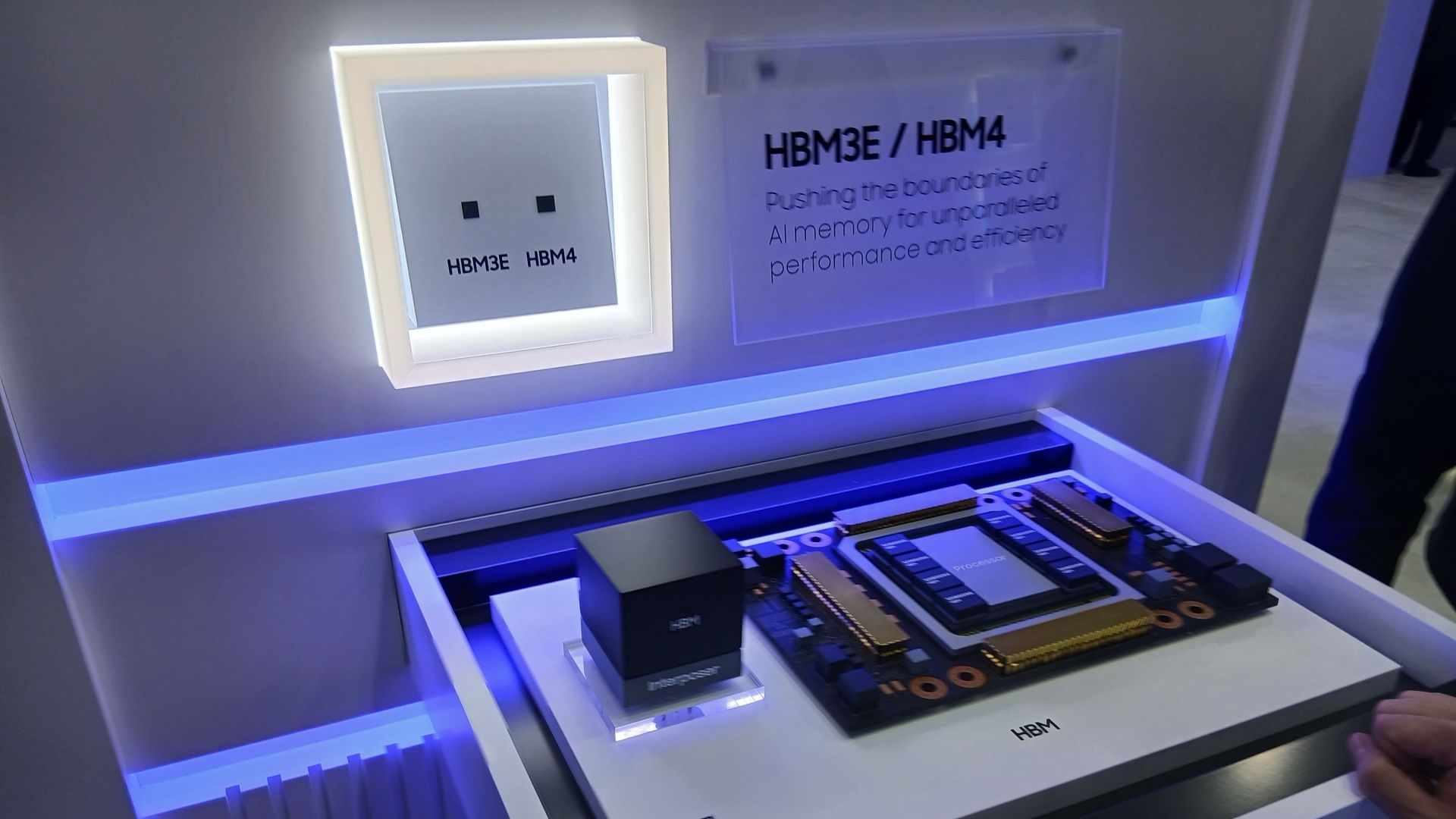
Most of Samsung's HBM4 chips will be installed in Nvidia's next-generation AI accelerator system called Vera Rubin, which will be launched in the second half of 2026. Some HBM4 chips will also be
supplied to Google for its seventh-generation Tensor Processing Units (TPUs).
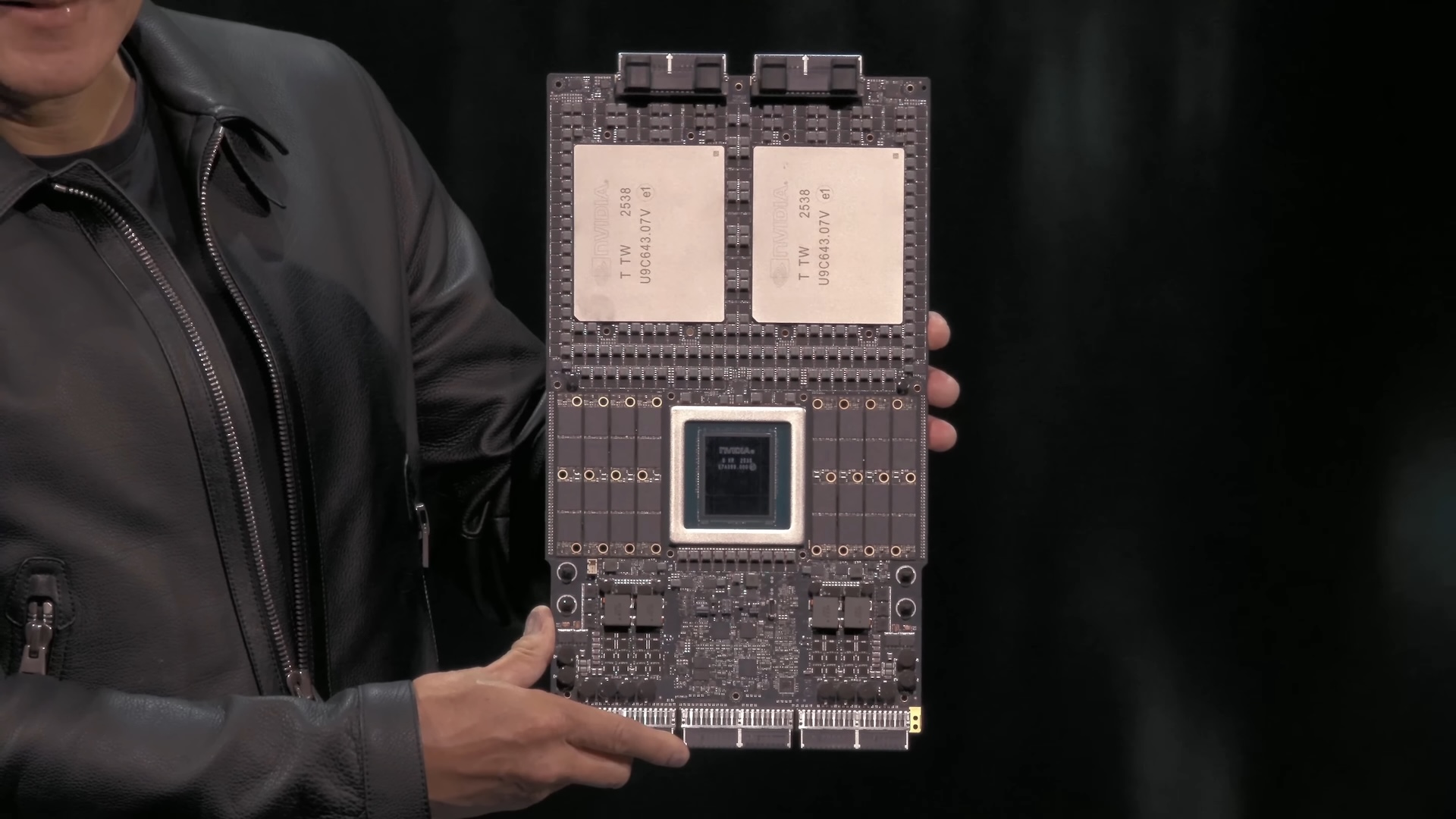
While SK Hynix has decided to use a 12nm fabrication process for the base die of its HBM4 chips, Samsung has used a 10nm-class fabrication process for its rival chips. Hence, it is reported that Samsung's HBM4 chips have better performance. In its internal tests, the company has reportedly achieved speeds of up to 11.7Gbps.
Portable SSD T5 EVO USB 3.2 Deals
Buy From Samsung Store
Since the HBM production capacities of both Samsung and SK Hynix are already said to have been
sold out for the next year, AI firms are scrambling to procure as many memory chips as possible, as the ongoing chip shortage could lead to production bottlenecks for firms like Amazon, Google, Microsoft, and OpenAI. Samsung will
earn billions by selling its HBM chips.
The post
Samsung could start making its most important AI memory chip ever in February appeared first on
SamMobile.
More...